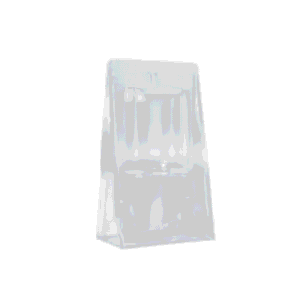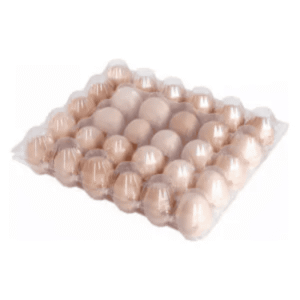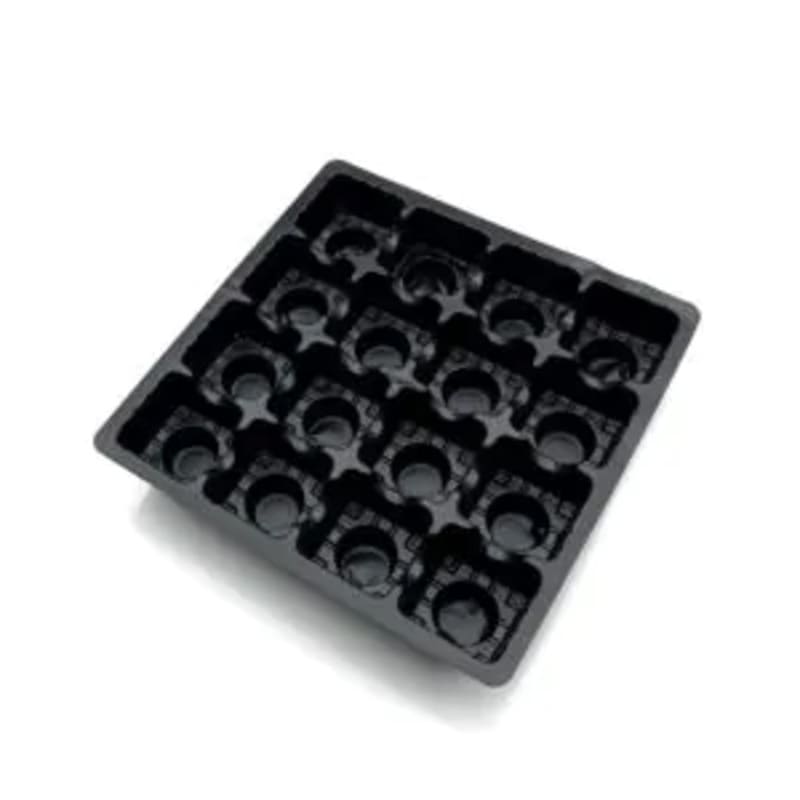
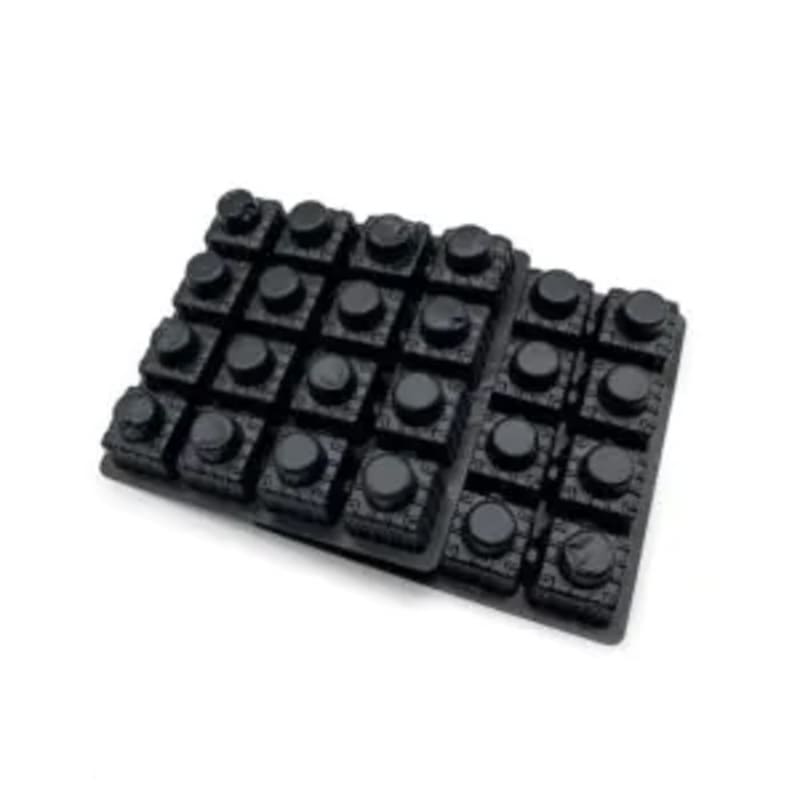
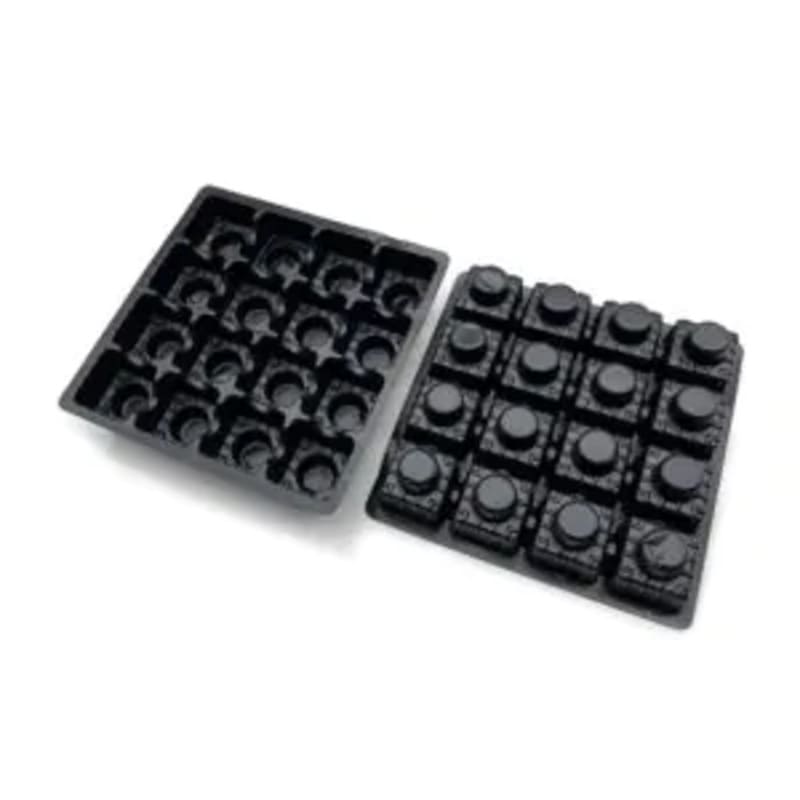
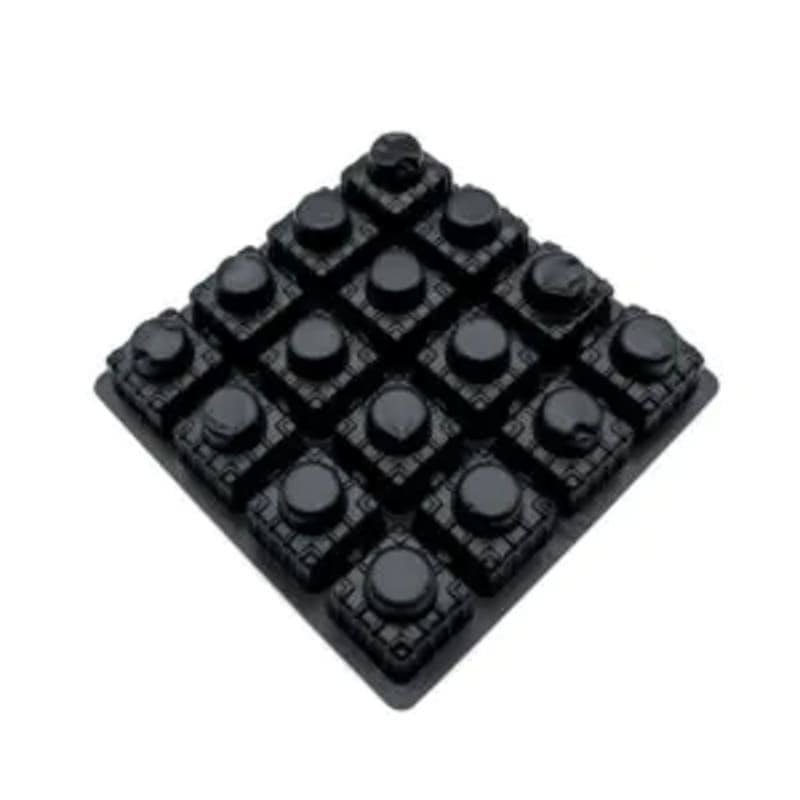
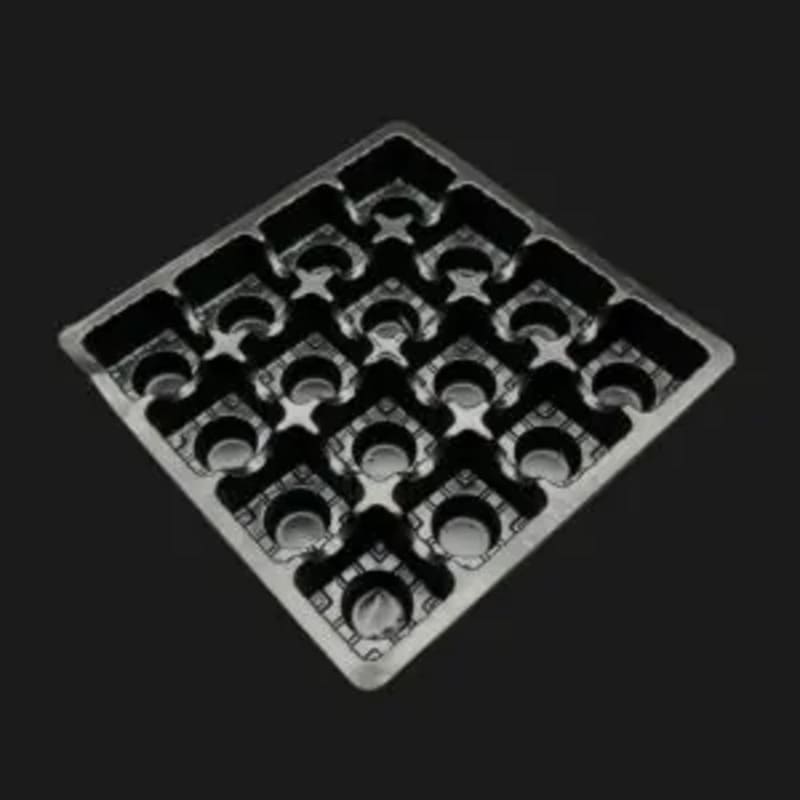
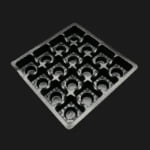
The Main Advantages of PS Blister Packaging
1. Lightweight and High-Strength
PS material inherently possesses low density and light weight, which helps reduce overall logistics and transportation costs, while simultaneously offering excellent mechanical strength to provide adequate protection for packaged contents.
2. Excellent Molding Stabilit
PS exhibits excellent thermoforming properties; the resulting blister-molded parts feature high dimensional accuracy and controllable shaping, thereby satisfying customized packaging requirements for complex structures.
3. Smooth surface, excellent display quality
PS blister packaging features a smooth, glossy surface and excellent visual appeal; it allows for the direct display of the product’s form, thereby enhancing its perceived quality and attractiveness.
4. Environmentally friendly and recyclable
PS material is recyclable and aligns with green and eco-friendly trends, making it suitable for markets with environmental requirements.
5. Superior Processing Compatibility
PS thermoformed parts are easy to punch, cut, heat-seal, and close, furthermore, they readily integrate with various processes—such as printing and labeling—offering strong capabilities for personalized customization.
6. Economical and Practical
PS blister packaging benefits from an abundant supply of raw materials and relatively low production costs, making it suitable for distributors and end-manufacturers of all scales; it offers excellent value for money.
7. Excellent Insulation and Moisture Resistance
PS material inherently possesses excellent insulating and moisture-resistant properties, which contribute to the safety of food and electronic products during storage and transportation.
Comparison of Common Materials for Blister Packaging
| Comparison Item | PS | PET | PVC | PP |
|---|---|---|---|---|
| Density / Weight | Lightweight(1.05g/cm³) | Slightly heavier(1.36g/cm³) | Heavy(1.38g/cm³) | Very light(0.90g/cm³) |
| Transparency | Good | Excellent (High Transparency) | Good | Generally |
| Formability | Excellent; distinct form | Excellent; complexity is slightly lower | Easy to mold | Generally, |
| Strength / Toughness | Better | High strength, excellent toughness | Generally | Good toughness and impact resistance. |
| Heat Resistance | Ordinary(<80℃) | limited(<60-70℃),High temperature deformation | Ordinary(<70℃) | Better(<100℃) |
| Environmental friendly | Recyclable | Easily recyclable; complies with food-grade and environmental standards. | Poor recyclability environmental controversy | Recyclable, non-toxic |
| Cost | Moderately Priced | High cost | low | lowest |
| Security | Food-grade, safe | Food-grade, Internationally Recognized | Contains chlorine-based ingredients; subject to certain export restrictions | Food-grade, safe |
| Printing / Labeling | Easy to print and process | Easy-to-Apply Labels | Easy to Print | Difficult to print |
What is PS blister packaging?
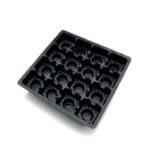
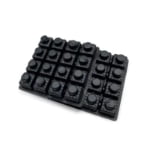
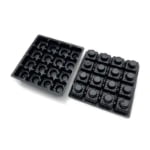
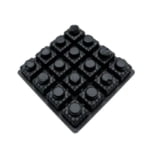
Thermoforming is a process in which PS plastic sheets are heated and softened, then subjected to vacuum or pressure within a mold to form them into various structures—such as trays, cases, and dividers. It is widely utilized in the food, electronics, and daily necessities industries for product protection, transportation, and display purposes.
Custom Blister Packaging Process
1.Requirements Discussion → Design / 3D Renderings

2.Mold Making (Plaster Mold → Copper Mold)
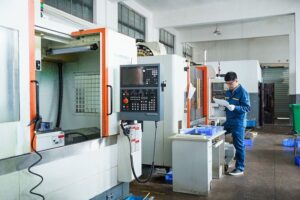
3. Blister Packaging Prototyping (Client Confirmation)
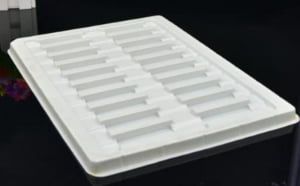
4. Vacuum Thermoforming
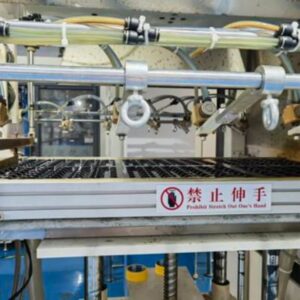
5. Punching / Trimming / Deburring
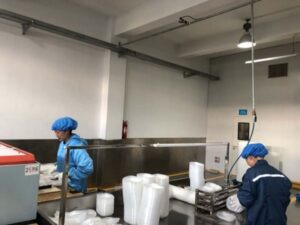
6. Full Inspection (QC) → Cleaning and Packaging
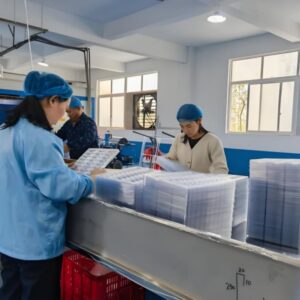
7. Finished Goods Shipment