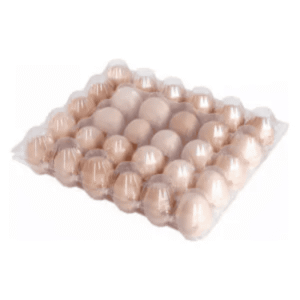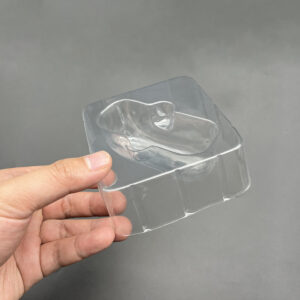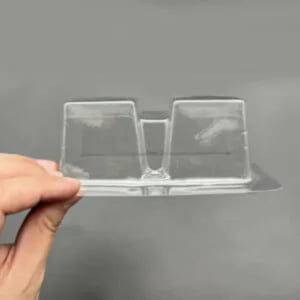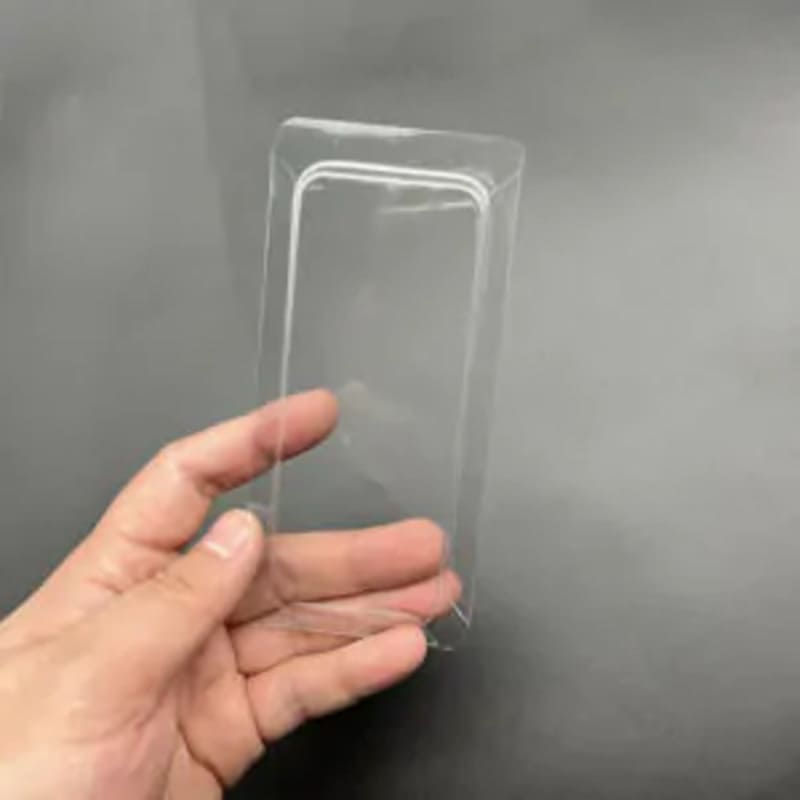
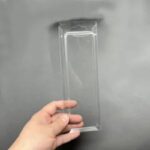
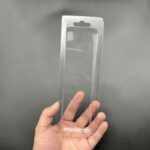
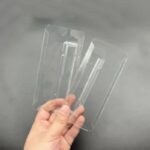
Product Introduction
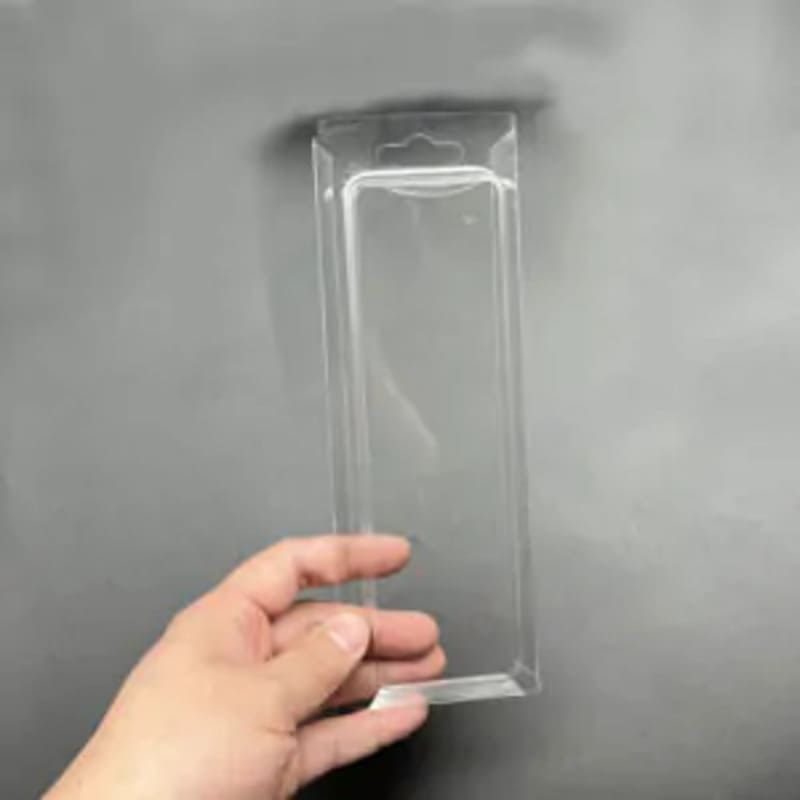
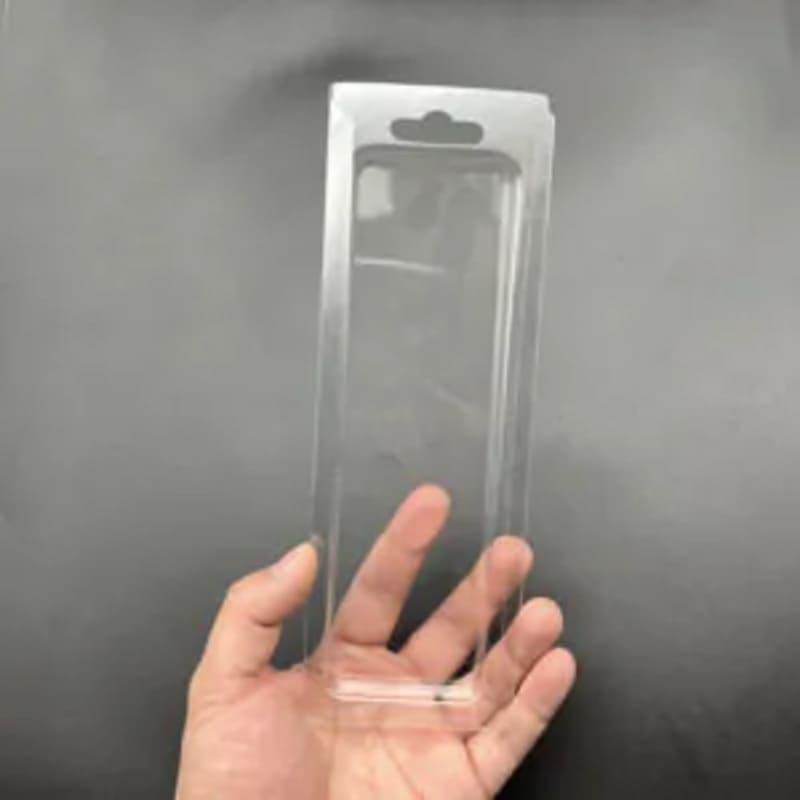
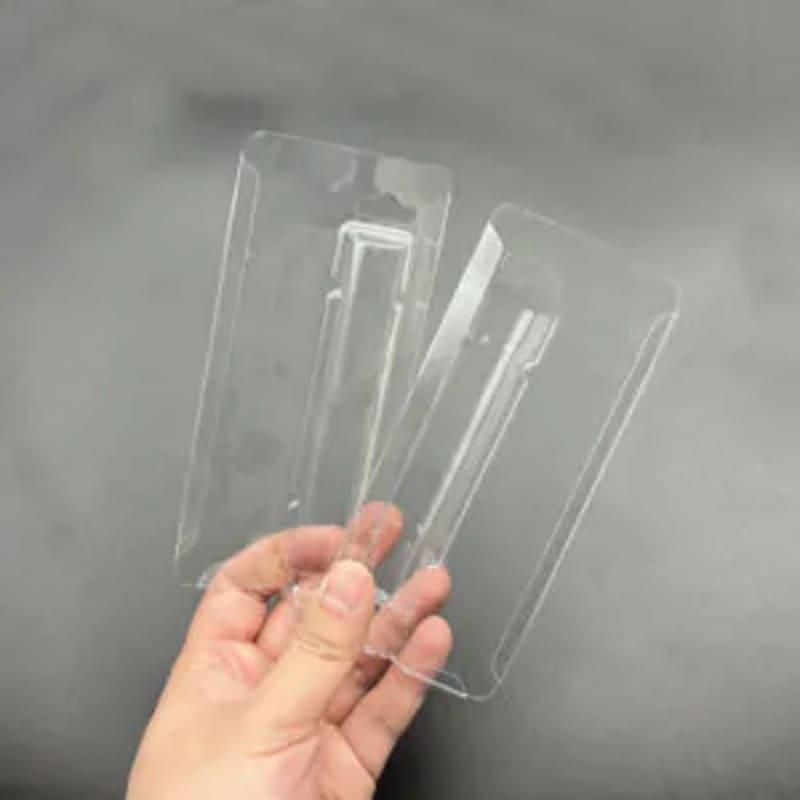
SlideBlister Card Packaging
As your ideal partner for blister packaging solutions, we are equipped to:
Assist you in designing plastic packaging products or components.
Accommodate custom orders: Choose any shape, size, or color to meet your specific requirements.
Evaluate your existing design concepts to ensure they offer optimal ventilation and functionality.
Provide prototype samples.
Deliver highly responsive service: We will provide feedback within 24 hours of receiving your inquiry; similarly, we will offer solutions for any after-sales service needs within 24 hours.
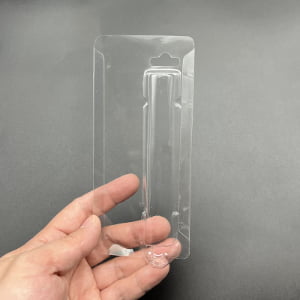
What is Blister Card Packaging?
A blister card is a common form of product packaging that combines a molded plastic blister with a paper card, and is widely used for the retail, display, and protection of various goods.
Features and Advantages of Blister Card Packaging
• Enhanced Product Presentation: Transparent blister packaging allows consumers to view the product directly, facilitating retail display and sales.
• Dust and Damage Protection: Effectively safeguards merchandise against contamination and physical damage.
• Comprehensive Information Display: Printed backing cards can feature branding, product descriptions, safety warnings, and other details, thereby aiding brand promotion.
• Anti-Theft and Anti-Counterfeit Features: The sealed packaging is difficult to tamper with or restore to its original state, providing effective protection against theft and unauthorized opening.
• Wide Range of Applications: Ideal for packaging small items such as electronic products, toys, hardware tools, stationery, pharmaceuticals, and daily necessities.
Common Structural Types
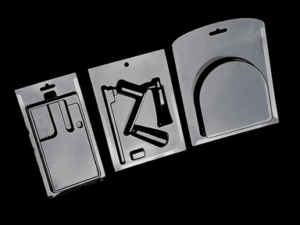
Single Blister Card: The most common type, where the blister shell is sealed directly onto the paper card.
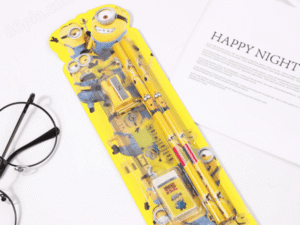
DoubleBlister Card (Double Layer Blister Pack): The upper and lower blister shells sandwich a paper card, forming a three-layer structure that is more robust.
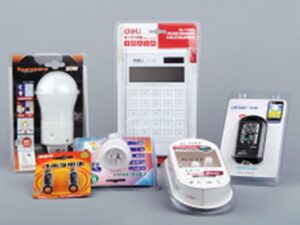
Foldover Blister Card: The blister shell features a folded edge, into which the paper card is inserted for secure fastening.
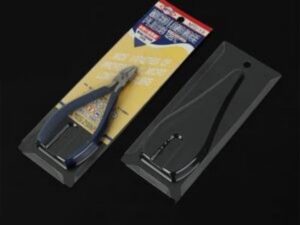
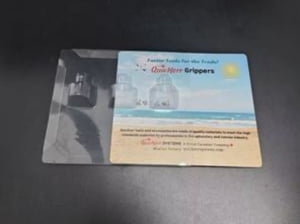
SlideCard Blister Pack: The blister shell features a groove, allowing the paper card to slide in and lock into place.
Common Issues with Blister Card Packaging
1. Which industries are suitable for using blister cards?
It is primarily applied across various industries, including electronics, toys, hardware tools, cosmetics, stationery, and daily necessities.
2. Can the blister card design be customized?
Absolutely! We offer comprehensive OEM/ODM customization services—covering shape, logo, color, material, printing, and packaging—to meet all your brand requirements.
3. What materials are used for the blister cover and the paper card, respectively?
Blister covers typically utilize PET, PVC, or PS plastics, while the paper cards are made from high-quality printed cardboard.
4. What is the Minimum Order Quantity (MOQ)?
The Minimum Order Quantity (MOQ) varies depending on the product specifications. You are welcome to contact us for a quotation and further details.
5. What is the production and delivery lead time?
Delivery lead times depend on order quantity and customization requirements; typically, the production cycle is 10 to 25 days following sample confirmation.
6. Is international outbound traffic supported?
We’ve got you covered! We possess extensive experience in international exports and supply distributors worldwide.
7. Can you provide samples?
Certainly. You are welcome to contact us to request samples for your practical evaluation.
8.Is a mold fee charged for custom blister packaging?
For customers placing large-volume orders or engaging in long-term partnerships, we offer preferential policies—such as reductions or rebates on mold fees—the specific details of which can be determined through negotiation.